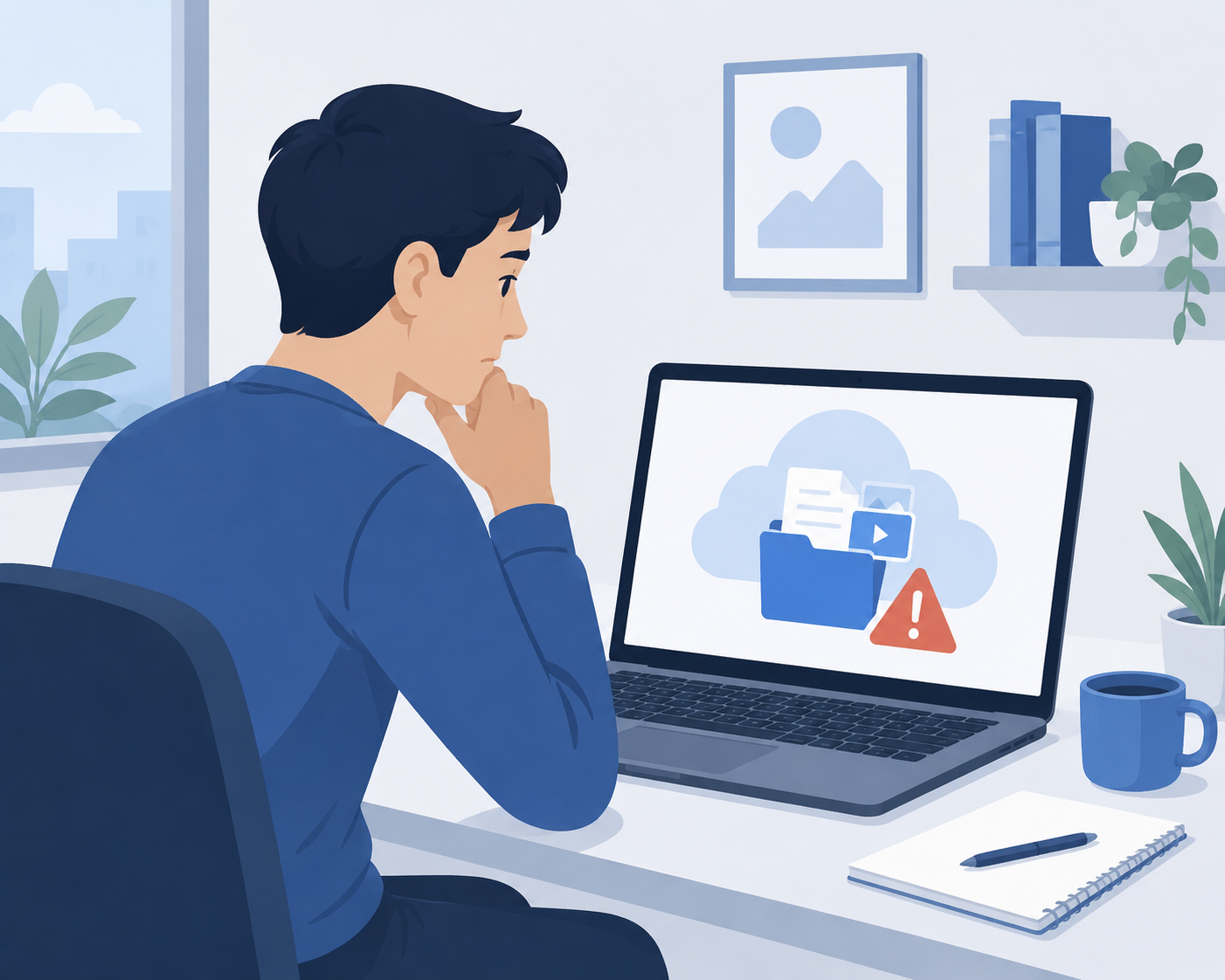
What Happens to Your Files When You Cancel a Cloud Storage Subscription
Most people sign up for a cloud storage plan without ever thinking about what happens on the way out. It is one of those things that seems obvious until the moment you actually need to know, and by then it is usually too late to ask calmly.
If you have ever wondered what actually happens to your files when you cancel a cloud storage subscription, this is the answer most platforms would rather you figure out on your own.
The Short Version Most Platforms Bury in Their Terms
When you cancel a paid plan, most cloud storage services do not delete your files immediately. What they typically do is downgrade your account to whatever free tier they offer, and then give you a grace period to either download your files or upgrade again before anything gets removed.
The problem is that grace period varies wildly depending on the platform. Some give you 30 days. Some give you 90. Some give you almost nothing. And the free tier storage limit is usually far smaller than what you were paying for, which means you are technically over your limit the moment the cancellation processes.
What happens when you go over the free storage limit depends on the platform. Some lock your files so you cannot access or download them until you either delete enough to get under the limit or pay again. Others let you download but not upload. A few will start deleting your oldest files automatically once the grace period ends.
None of this gets explained clearly at the point of cancellation. You usually find out when you try to access something and it is gone.
Why This Matters More Than People Realize
The files most people store in the cloud are not casual. They are work documents, client deliverables, family photos, financial records, contracts, and creative projects. The kind of files that would be genuinely painful to lose.
If you cancel a subscription without downloading your files first, and the platform has a short grace period or an aggressive automatic deletion policy, you could lose years of work without any real warning. The platform sent you a cancellation confirmation email. That counts as notice as far as they are concerned.
What You Should Do Before You Cancel Anything
Download everything first. This sounds obvious, but it is easy to skip when you are in the middle of switching platforms or just trying to cut a subscription you no longer need. Go through every folder, download everything important, and verify the downloads opened correctly before you cancel.
Check the platform’s specific policy before you hit cancel. Look for terms around data retention, grace periods, and what happens to files that exceed the free storage limit. If you cannot find a clear answer in under five minutes, assume the grace period is shorter than you would like.
Do not rely on the platform to remind you. Some will send a warning email before deleting anything. Many will not. Treat your files as if they will disappear the moment you cancel, and you will never be caught off guard.
What OwlCloudHost Does
When you cancel your OwlCloudHost subscription, your account is downgraded to the free plan and your files remain accessible. You are not locked out and nothing is deleted automatically without notice. We believe your files belong to you, not to us, and that canceling a subscription should never feel like a trap.
If your storage usage exceeds the free plan limit after a downgrade, we will let you know and give you time to manage your files before anything changes. We would rather you leave on good terms and come back when you need more storage than lose your trust over a policy that was never explained clearly.
Our free plan gives you 1 GB to start, and if you ever need more space, our plans start at $1.99 per month at owlcloudhost.com.